Wisdom
Insights, teachings, and reflections to guide your spiritual journey
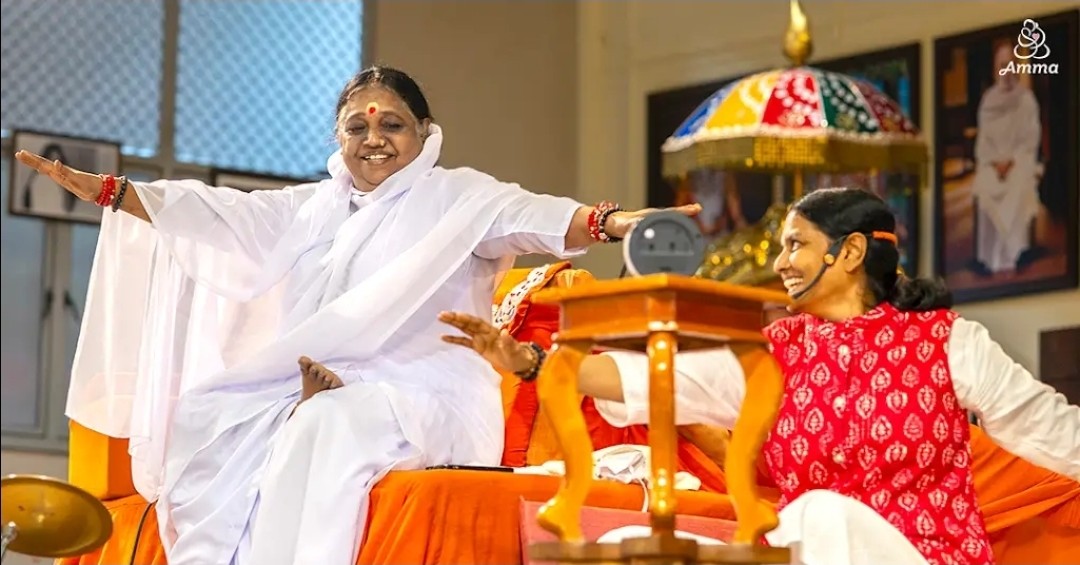
Yoga for Healthy Ageing: Ageing with Awareness, Grace, and Love
This International Day of Yoga 2026 reflection explores “Yoga for Healthy Ageing” through Amma’s teachings on body, breath, mind, awareness, compassion, and service. With a gentle story and a touch of humor, it reminds us that healthy aging is not about becoming young again, but about becoming more awake, peaceful, grateful, and loving at every stage of life.
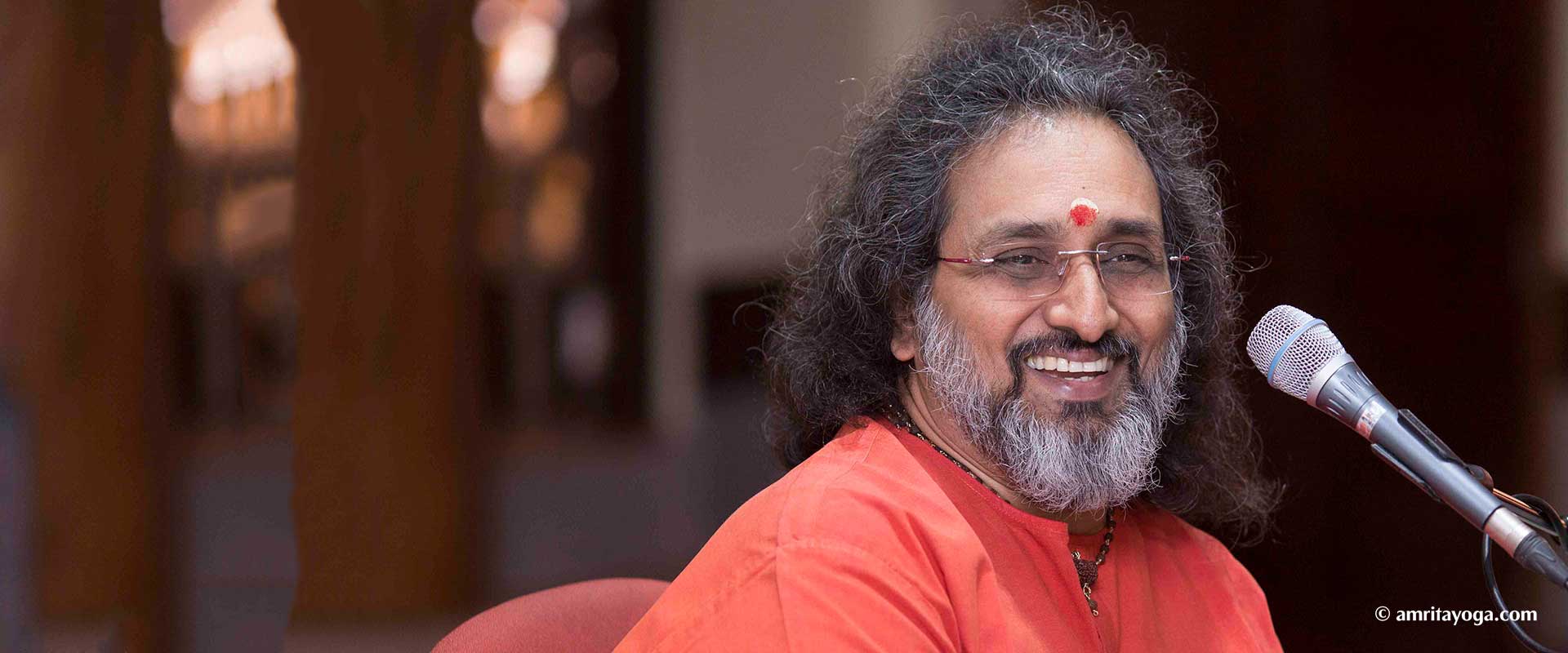
A special message from Pujya Swami Amritaswarupananda Puri
In this special message, Pujya Swami Amritaswarupananda Puri, Vice-Chairman of the Mata Amritanandamayi Math and President of Amrita Vishwa Vidyapeetham, shares his reflections. As Amma’s senior-most disciple, Swamiji has devoted his life to sharing Amma’s vision of compassion and spiritual upliftment. He has been residing in Amritapuri Ashram since its inception in the late 1970s.
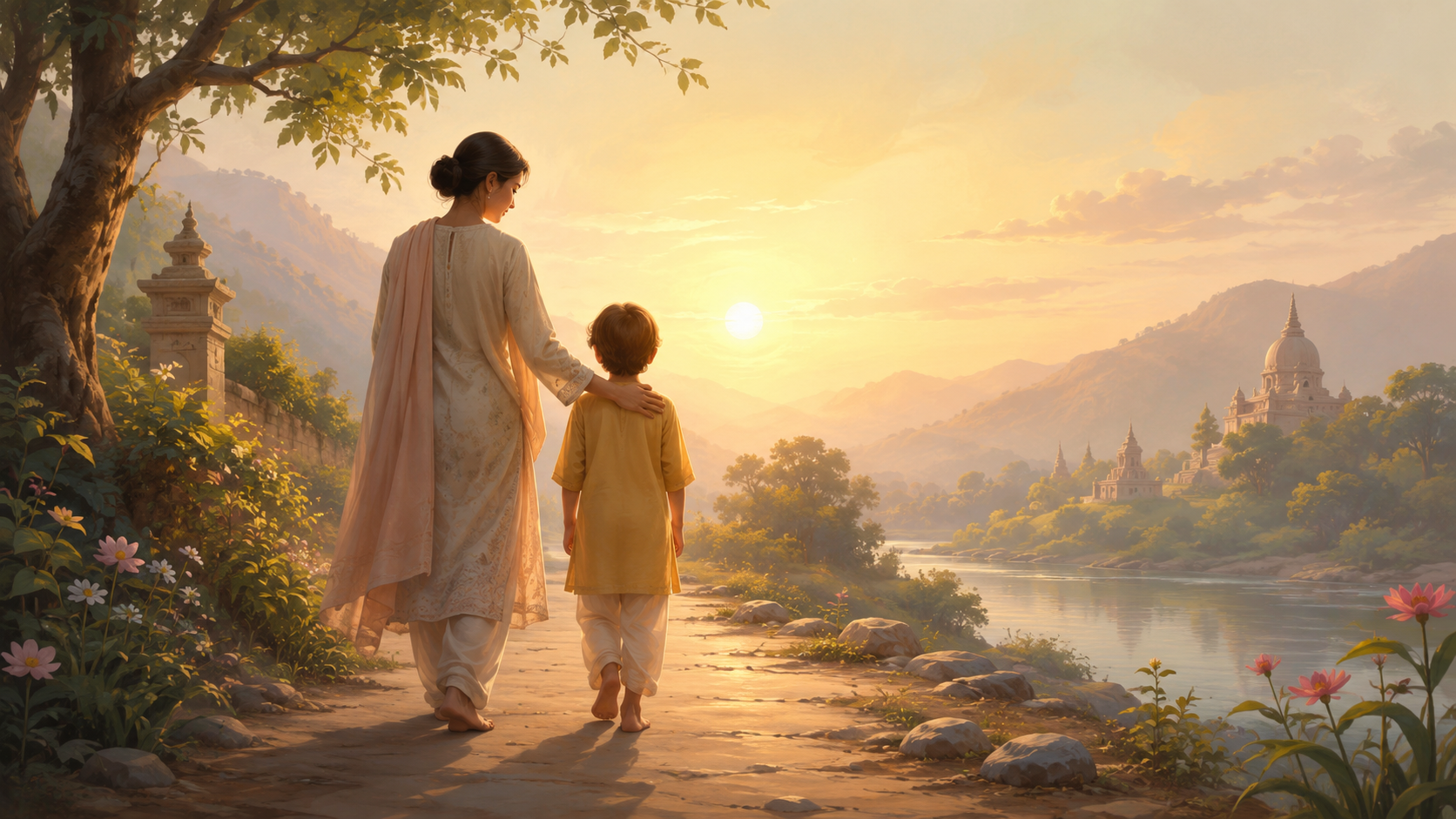
Being a Role Model
Swami Paramatmananda Puri reflects on the profound influence role models have in shaping our character, especially the responsibility of parents and professionals to set noble examples. Through the story of Bhishma from the Mahabharata, the article highlights selflessness, respect for parents, and the courage to place dharmic values above personal desires. It encourages us to follow high-minded role models who lead us toward truth, selflessness, and lasting happiness.
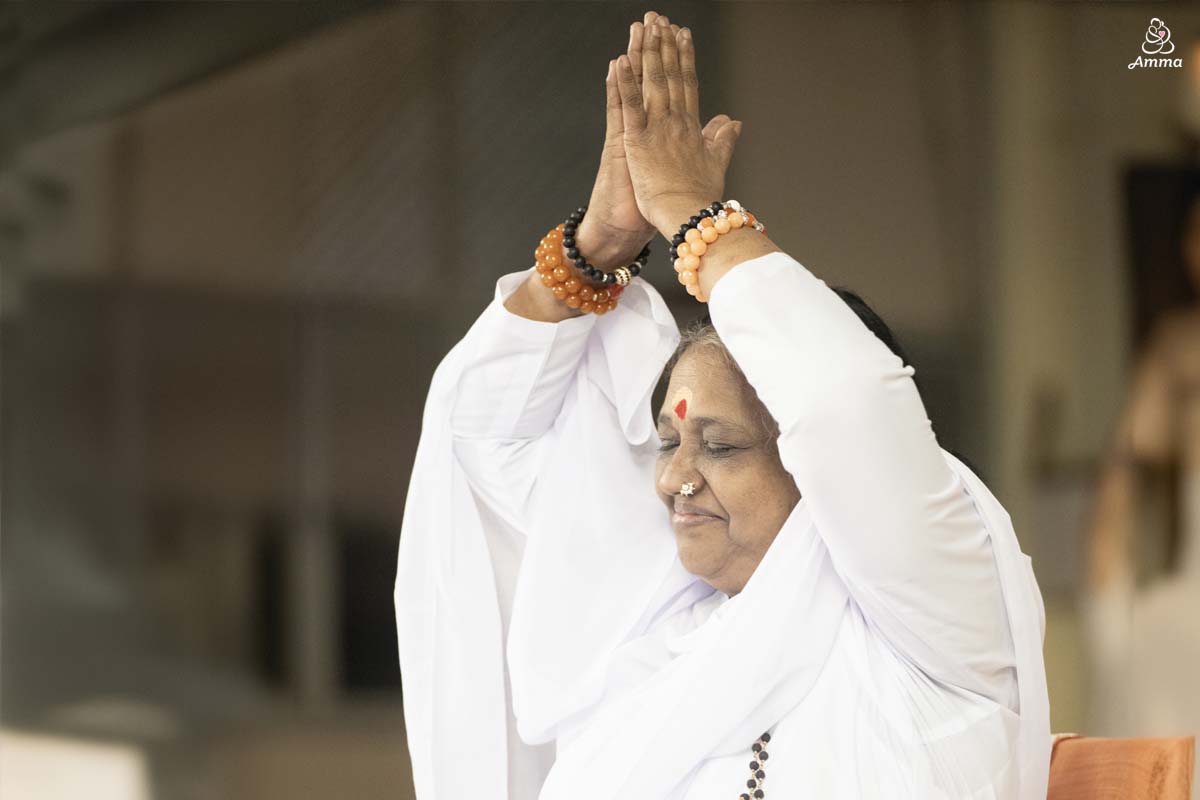
Amma Explains Yoga as a Path to Self-Dependence
This year’s International Day of Yoga theme, "Yoga for Self and Society," highlights yoga’s power to transform both individuals and communities. As Amma emphasized, yoga is not merely physical exercise but a path to mental peace, spiritual growth, and self-dependence, where true happiness and security arise from within. Through regular practice, yoga supports well-being, cultivates awareness, and creates a ripple effect that contributes to a healthier, more balanced society.
The Song of Love
This poem reflects on love as a wordless experience felt in the heart, flowing through breath, nature, and inner stillness. It points to unity, reminding us that the same light shines on everyone.

Love Beyond “I” and “You”
Swami Amritaswarupananda Puri reflects on the true nature of supreme love, explaining that what is often called love is usually attachment, which can turn into aversion. True love is different: it is beyond duality, beyond emotion, and without cause or reason. Drawing from the Bhakti Sūtras of Nārada, Mīrābai’s poem, and Amma’s words, the article points to love as formless, selfless, and infinite—the very nature of existence.